Challenges of Using Wood as a Structural Material in Hong Kong Architecture
Challenges of Using Wood as a Structural Material in Hong Kong Architecture
The architectural landscape of Hong Kong has evolved significantly over the decades, particularly in response to historical events like the Shek Kip Mei fire in 1953. This pivotal incident catalyzed a shift from wooden structures to more fire- and flood-resistant materials such as steel and reinforced concrete.
I. Historical Context: The Shek Kip Mei Fire
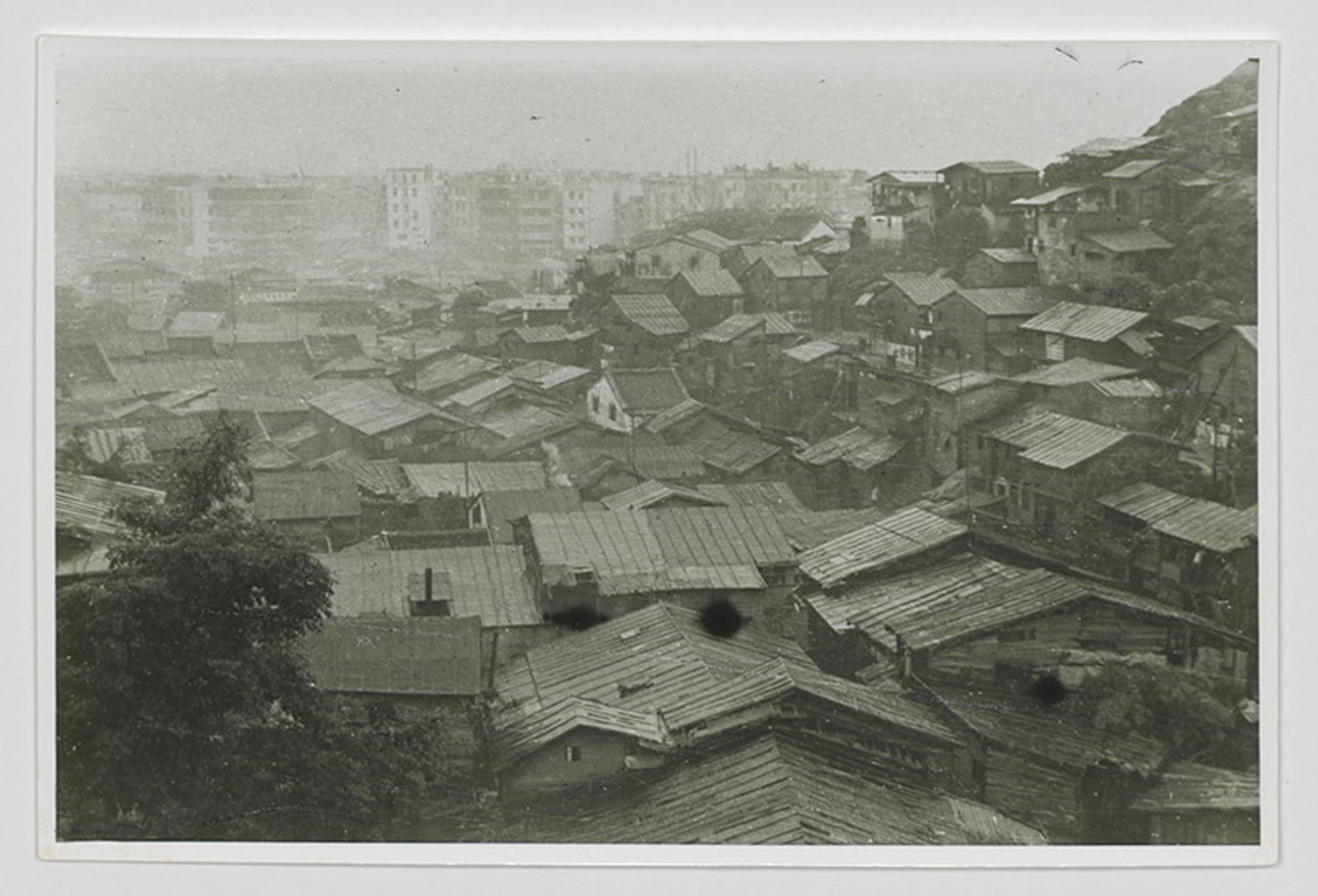
The Shek Kip Mei fire destroyed numerous wooden and makeshift houses, exposing the vulnerabilities of wooden structures in densely populated areas. The rapid spread of the fire highlighted the urgent need for safer housing solutions. In its aftermath, the Hong Kong government launched its first public housing program, constructing the Shek Kip Mei Low-cost Housing Estate with concrete structures to provide safer, more permanent dwellings for those displaced.

II. Vulnerability of Wooden Structures
The wooden huts in the Shek Kip Mei area were highly susceptible to fire, a tragic fact underscored by the 1953 incident. This vulnerability raised critical questions about the suitability of wood as a primary construction material in such an urban environment.
III. Shift to Reinforced Concrete
In light of the fire's devastation, the government initiated a public housing program focused on constructing multi-storey blocks using reinforced concrete. This marked a fundamental shift from traditional wooden and low-rise structures, with concrete offering durability and addressing critical fire safety needs.
III. Shift to Reinforced Concrete
In light of the fire's devastation, the government initiated a public housing program focused on constructing multi-storey blocks using reinforced concrete. This marked a fundamental shift from traditional wooden and low-rise structures, with concrete offering durability and addressing critical fire safety needs.

IV. The Shek Kip Mei Estate: A Symbol of Change
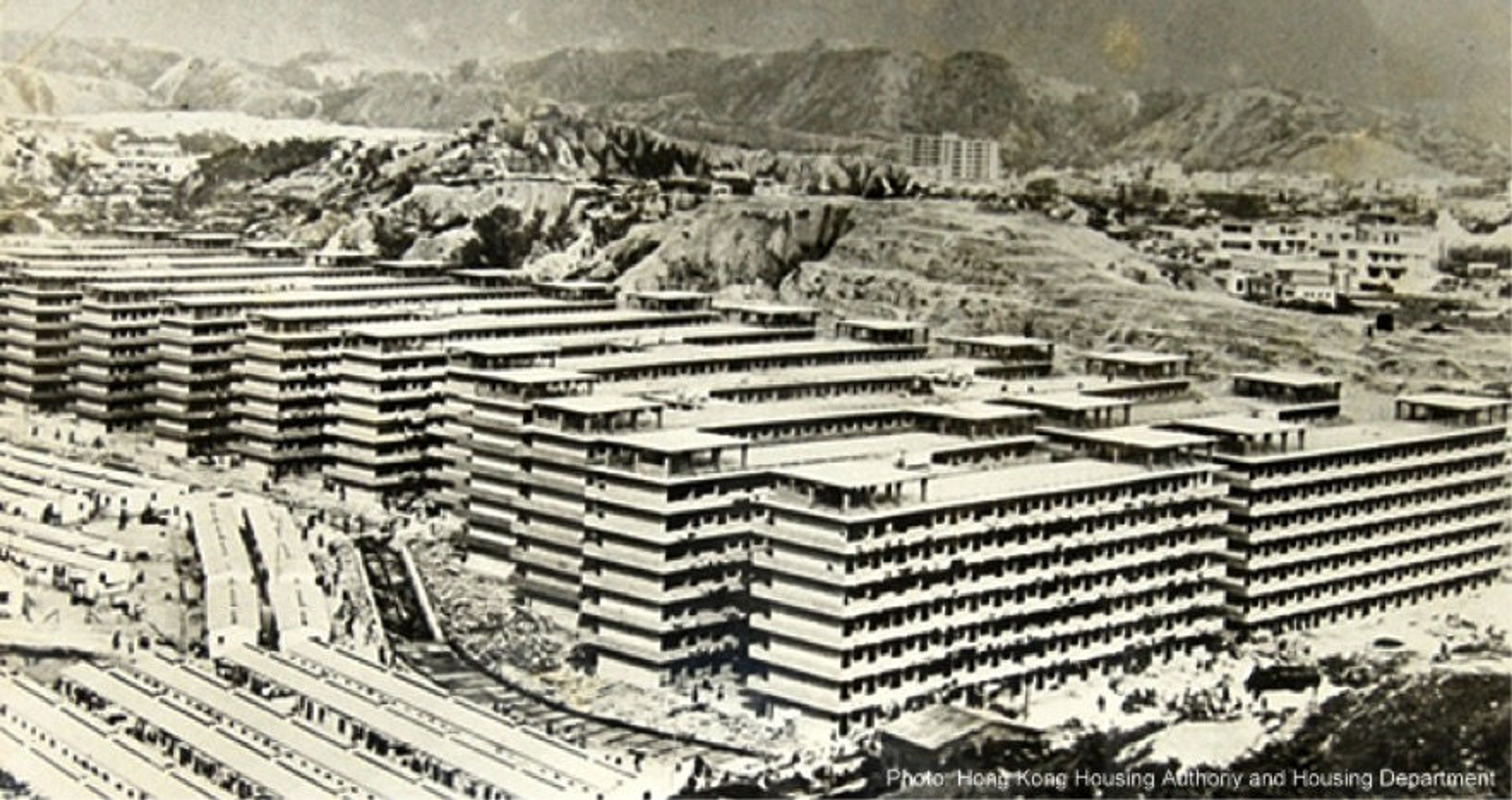
The Shek Kip Mei Estate, built on the site of the fire, became Hong Kong's first public housing project and a symbol of the new housing policy. Completed by the end of 1954, the early resettlement blocks featured concrete structural walls, marking the start of widespread adoption of this durable material in Hong Kong’s housing landscape.
V. Impact on Future Housing
The fire and subsequent construction of the Shek Kip Mei Estate laid the foundation for Hong Kong's extensive public housing program, now a crucial part of the city's social fabric. The new standardized structures were designed to be safer and more resistant to the elements, significantly improving living conditions for those who had previously lived in vulnerable makeshift homes.
VI. Challenges of Using Wood Today
Despite historical context, interest in sustainable building practices, including wood as a structural material, is growing. We also noted the situation in other parts of the world, such as Singapore, where there is increasing encouragement to use wood as a structural material for buildings. However, several challenges persist:
- Regulatory Constraints: Engineering and regulatory requirements often limit wood's use in structural designs due to safety concerns related to fire and durability. This poses a barrier for architects and builders looking to incorporate wood into their projects.
- Perception of Safety: The legacy of past tragedies, such as the Shek Kip Mei fire, has ingrained a perception of wood as an unsafe building material. Overcoming this mindset requires extensive education and demonstration of modern wood treatment methods that enhance fire resistance.
- Environmental Factors: Hong Kong's unique climate presents challenges for wooden structures, including humidity and potential pest infestations. These factors necessitate careful material selection and maintenance strategies, complicating construction processes.
VII. Limitations of Using Wood in Architecture
While wood is celebrated for its aesthetic appeal and sustainability, its use as a structural material presents several limitations. Understanding these challenges is crucial for architects and builders considering wood for construction projects.
- Structure Size: Wood imposes natural constraints on the size and scale of structures. Compared to materials like steel and reinforced concrete, wood limits the height and span of buildings. Large wooden structures often require extensive engineering solutions for safety and stability, complicating design and increasing costs.
- Assembling and Joint Restrictions: The assembly of wooden structures involves intricate joinery, which can be time-consuming and skill-intensive. These joints must be carefully designed to ensure structural integrity, particularly under dynamic forces such as wind or seismic activity. Unlike steel, which allows for various connection types, wooden construction is limited in joint options, restricting design flexibility.
- Durability Concerns: Wood is inherently susceptible to moisture, leading to rot and decay over time. This vulnerability necessitates careful consideration of environmental conditions and protective treatments to extend the lifespan of wooden structures. Additionally, wood can cause corrosion in metal fasteners due to chemical reactions, especially in humid environments, compromising joint integrity.
- Fire Risk: One of the most significant concerns regarding wood in architecture is its combustibility. Unlike non-combustible materials like steel and concrete, wood can ignite and contribute to fire spread, posing safety risks to occupants. Building codes often impose stringent fire safety regulations that limit wood's use in structural applications, requiring additional fire-resistant materials or treatments, which can increase costs and complexity.
- Pest Damage: Wood is vulnerable to damage from pests such as termites and wood-boring beetles, which can compromise structural integrity and lead to significant repair costs. To mitigate these risks, wood often requires chemical treatments or protective coatings, adding to overall costs and raising concerns about indoor air quality.
VIII. Case Studies:
Chi Lin Nunnery
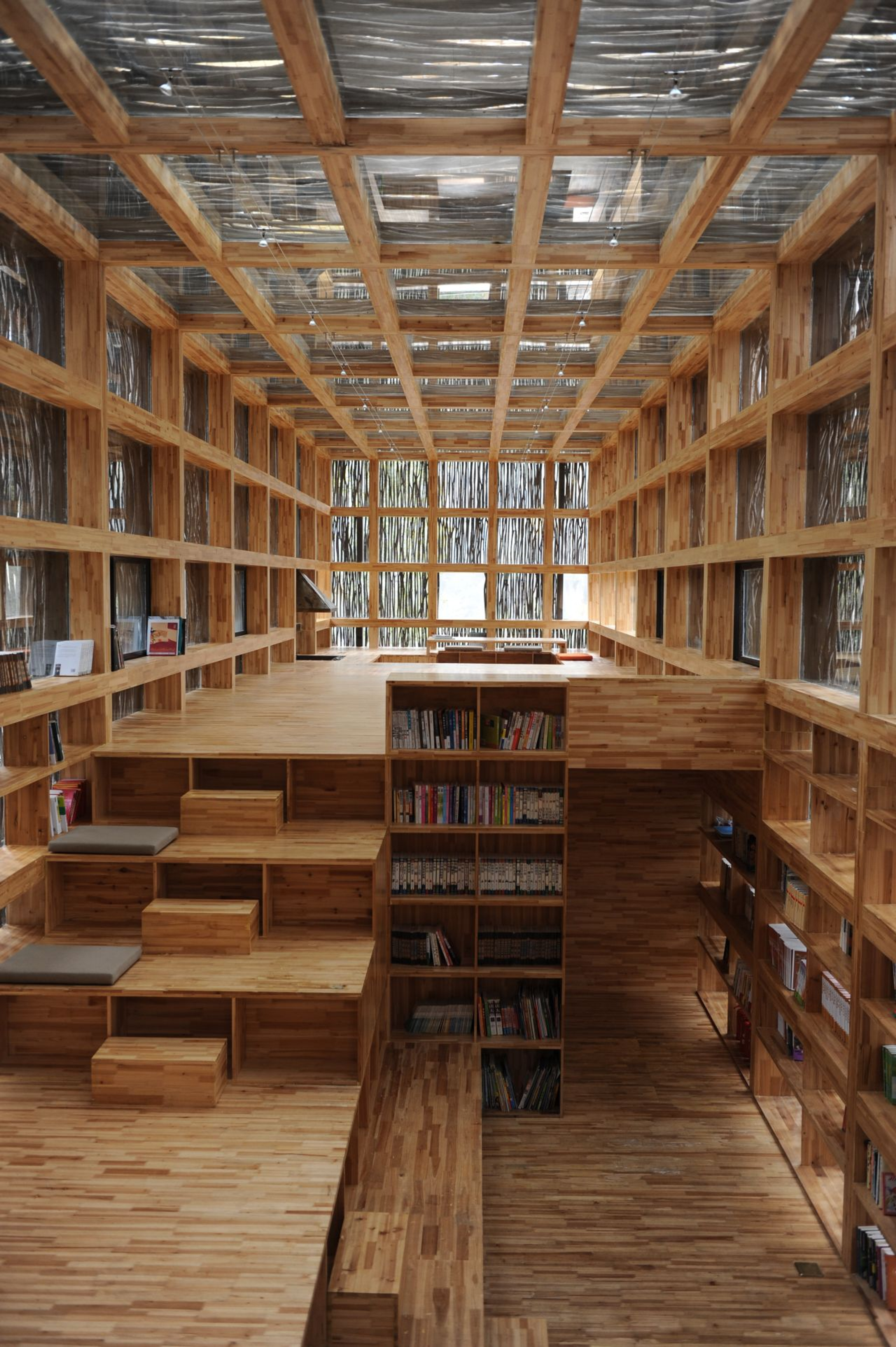
An example of successful wooden architecture in Hong Kong is the Chi Lin Nunnery. While it resembles traditional Chinese architecture, the buildings were reconstructed recently, completed in 1998. Made entirely of wood in the Tang Dynasty style, the nunnery was built without a single nail, with wood sections locking against each other using techniques similar to those employed hundreds of years ago.
The Chi Lin Nunnery gained recognition in 2012 when the State Administration of Cultural Heritage shortlisted it as a potential candidate for UNESCO World Heritage status, despite its relatively young age. The design emphasizes harmony with nature and provides a serene environment for reflection and meditation.

Maggie’s Cancer Caring Centre
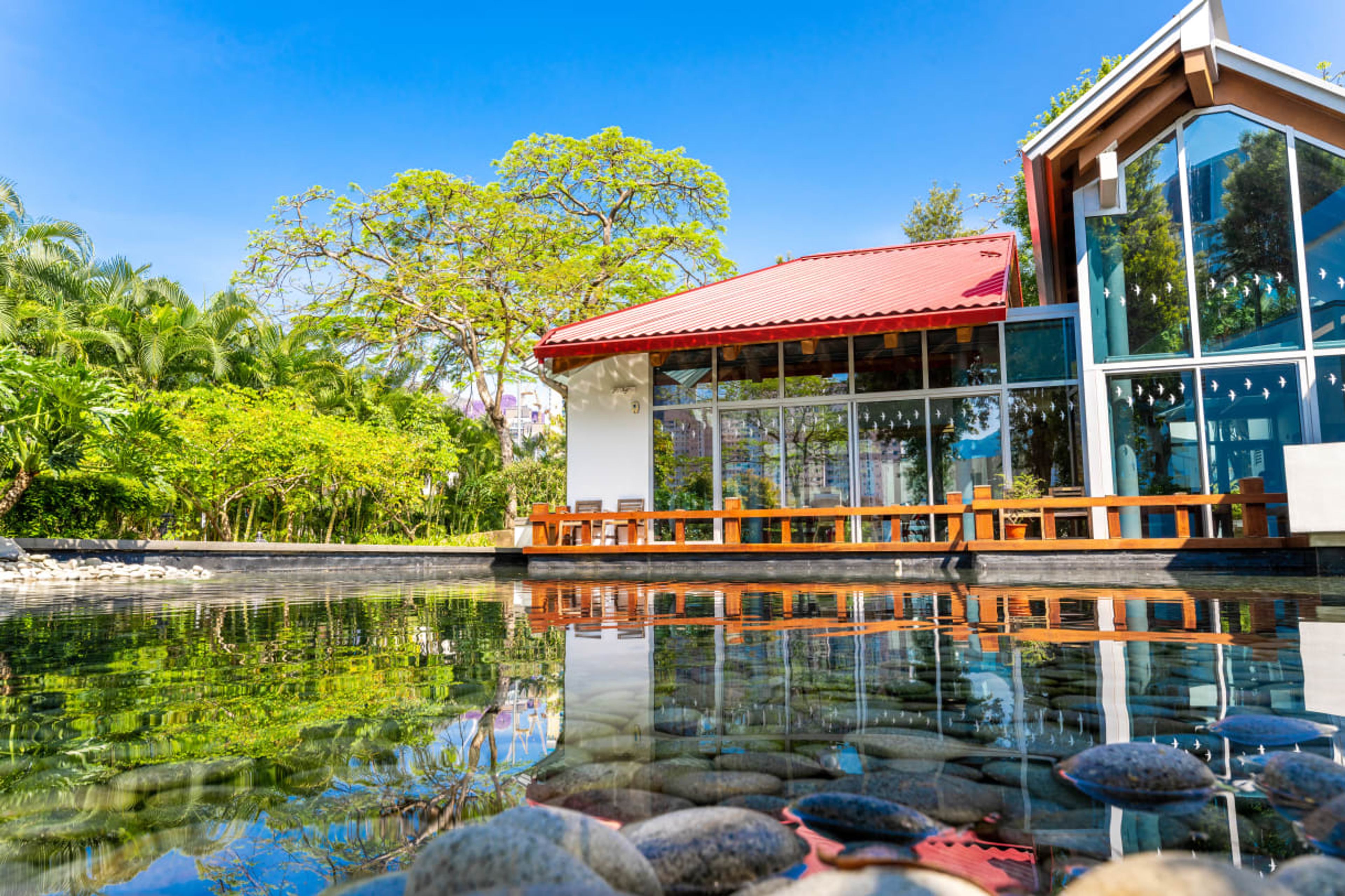
Another noteworthy example of wooden architecture in Hong Kong is the Maggie’s Cancer Caring Centre, located in the gardens of Tuen Mun Hospital. This centre is the first Maggie’s Caring Cancer Centre situated outside the UK and was created in memory of co-founder Maggie Keswick Jencks, who passed away from cancer in 1995. The centres support and empower individuals affected by cancer, providing a functional space for support and quiet dignity.
The centre comprises a series of pavilions within a garden, creating a continuous flow between interior and exterior spaces. The interior rooms, including a large open kitchen for gatherings, open onto the surrounding gardens, acting as a bridge over a pond that reflects the views of Hong Kong’s mountains.
Tai Kok Tsui Pavilion
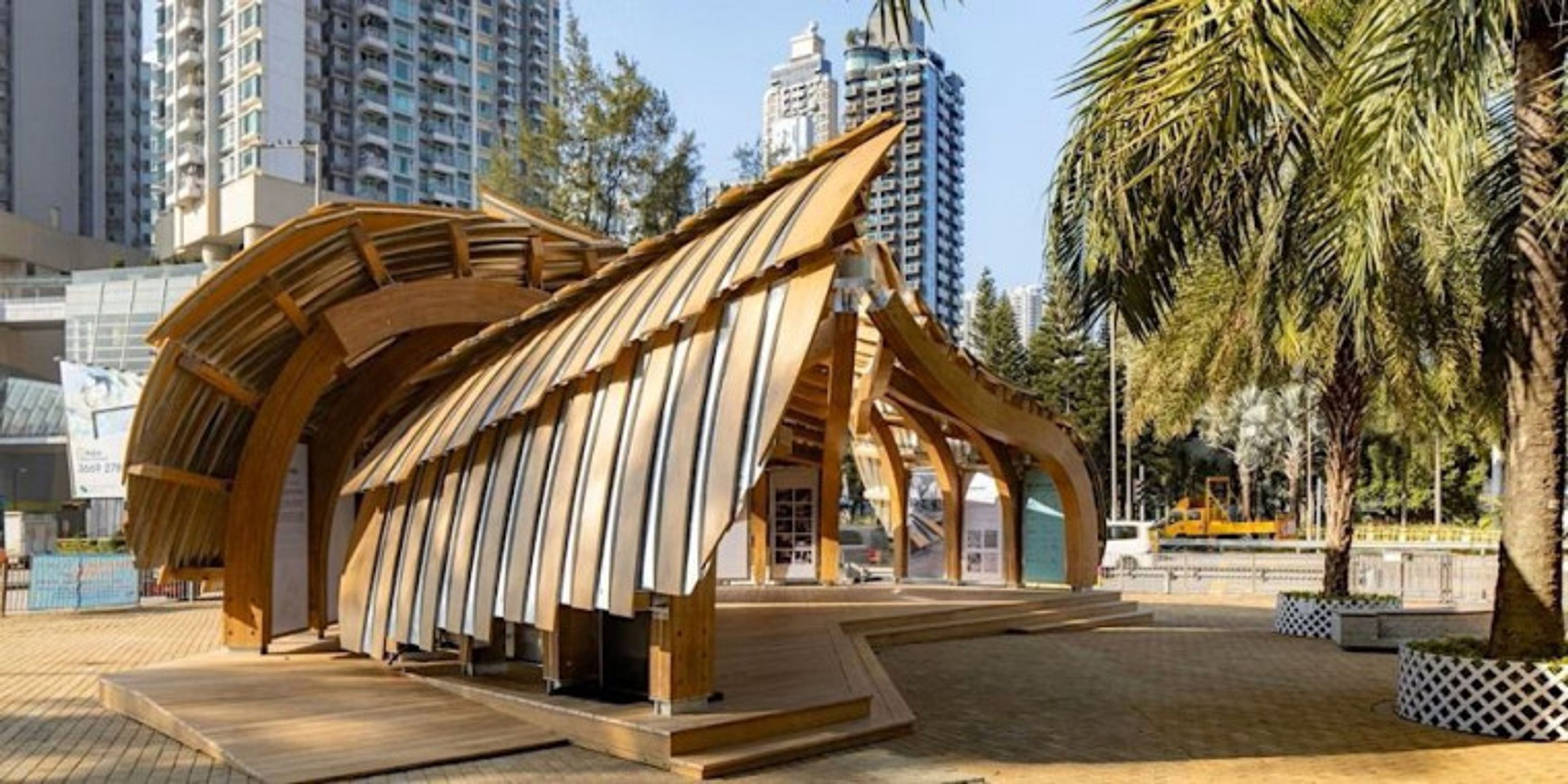
The Tai Kok Tsui Pavilion, designed by Su Chang Design Research Office, won the Open Call Competition organized by the Hong Kong Arts Centre (HKAC) in 2023 and officially opened to the public in January 2025. This competition aimed to showcase young, ecologically minded designers dedicated to building a future that prioritizes sustainability, art, culture, and creativity.
Funded by the Urban Renewal Fund (URF) and managed by HKAC's Public Art Department, the pavilion's design blends galvanized steel with laminated bamboo, creating a vibrant communal space that has transformed the Tai Kok Tsui neighborhood. It reawakens the public’s collective memory of a “place between sea and land,” envisioning a new future for Tai Kok Tsui.
Growing Up Pavilion
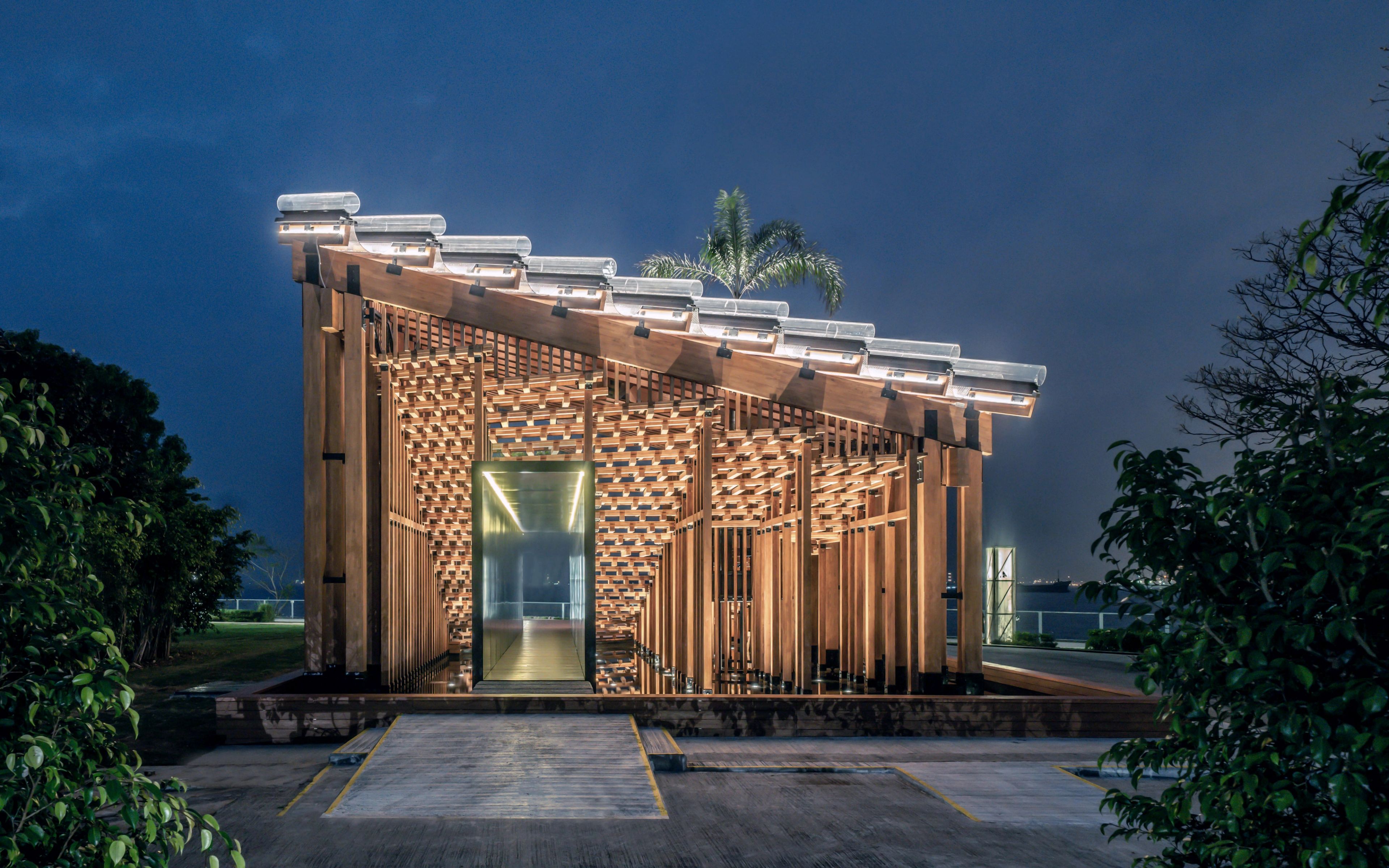
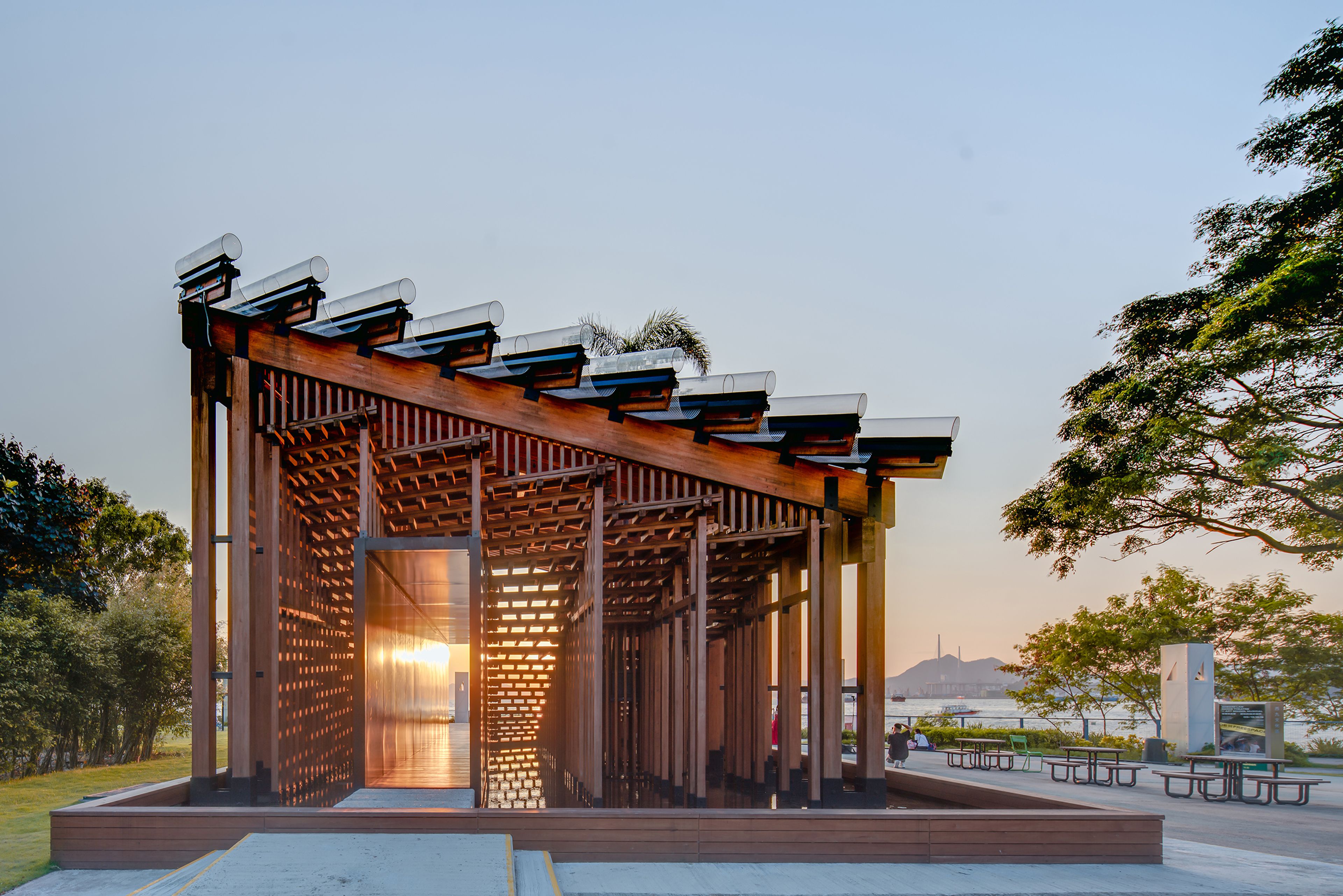
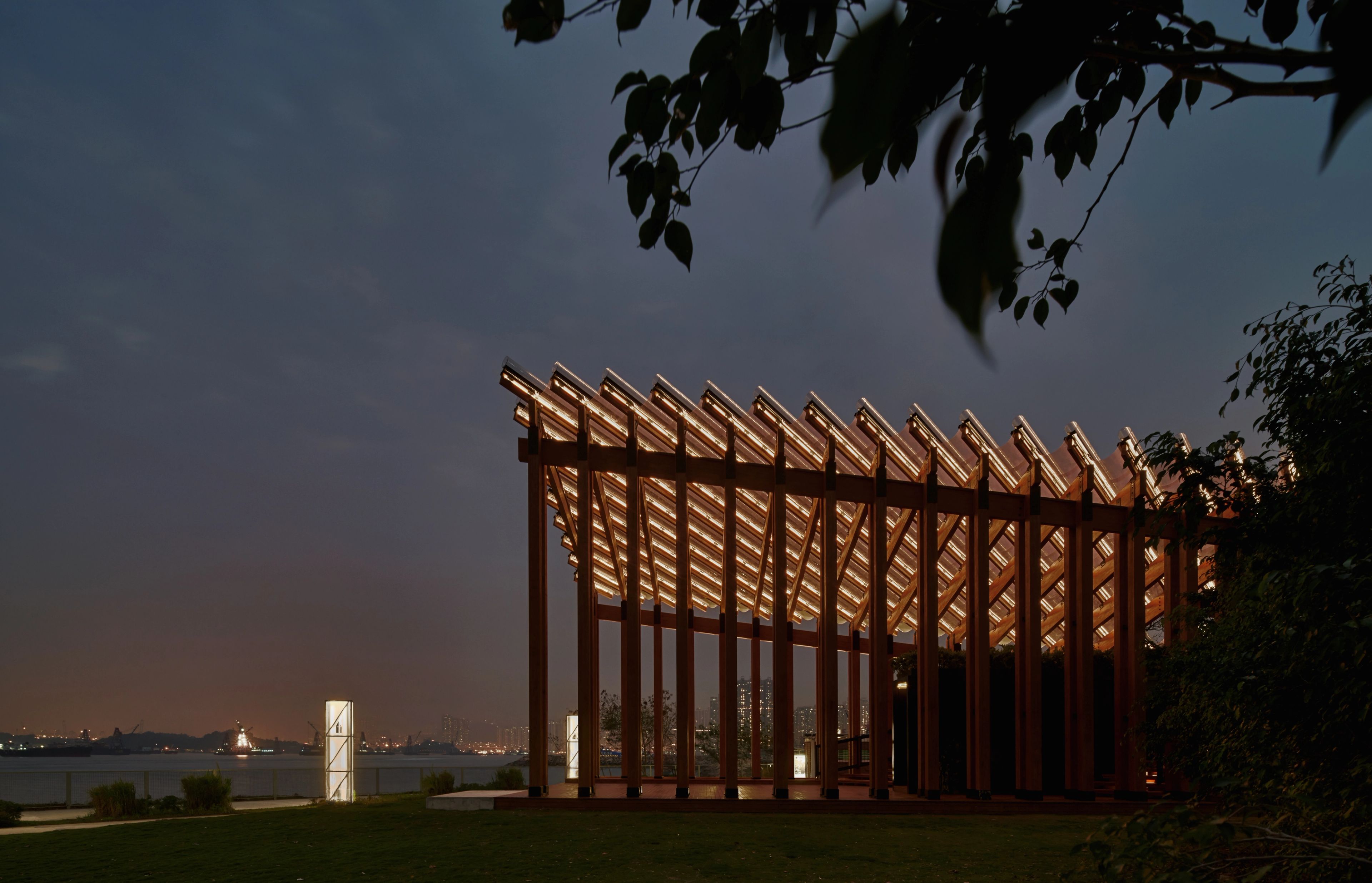
The Growing Up Pavilion is another compelling example of wooden architecture in Hong Kong. Just as the process of growing trees requires good soil, the process of growing culture requires a strong foundation of collective memories of the city. The pavilion captures everyday elements fundamental to Hong Kong, embedding and cultivating them within the fabric of a soon-to-be major arts and cultural center.
A large sloped roof supports a series of timber columns that, like the seedlings in the adjacent nursery park, grow from an intimate human scale to the harbor scale. A stepped landscape below, reminiscent of the city’s hilly topography, provides both seating and a stage for various activities. Before the pavilion, there were not many seating options available in the area.
Despite its simple volume, each angle of the pavilion reveals a different sense of porosity, materiality, and scale. The north and south elevations are characterized by transparency, with the surrounding trees forming a seamless backdrop between the pavilion’s slender columns. However, as one moves around, the overlapping columns create a more solid edge that frames the waterfront view. The pavilion appears densest from the east, where the structure of the steps forms an intricate screen, accentuating the transition from park to waterfront. In contrast, an open gathering space and distinct profile emerge from the harbor. The pavilion's multifaceted character truly reflects the rich diversity of Hong Kong.
Conclusion
In conclusion, while wood offers numerous advantages, its limitations must be carefully considered in architectural design. By understanding these challenges, architects can make informed decisions that balance the benefits of wood with the inherent difficulties it presents, as exemplified by innovative projects like Chi Lin Nunnery, Maggie’s Cancer Caring Centre, and the Growing Up Pavilion.
Discover more works by New Office Works ↗ and how we continue to shape meaningful public open spaces in Hong Kong.